Stoke Newington Church Street removals for period homes
Posted on 14/06/2026

Stoke Newington Church Street removals for period homes: a practical guide to moving carefully in one of Hackney's most characterful streets
Moving from a period home on Stoke Newington Church Street can feel oddly exciting and mildly chaotic at the same time. You're not just shifting boxes from A to B. You're working around narrow staircases, delicate plasterwork, old sash windows, awkward corners, and furniture that probably looked easier to move when it was new and not quite so heavy. That is exactly why Stoke Newington Church Street removals for period homes need a different level of care, timing, and judgement.
In this guide, we'll walk through what makes these moves different, how a careful removal process works, where the common traps are, and what you can do to make the day calmer. If you're planning a house move in the area, or you simply want to protect the property as much as the belongings, this is the kind of detail that saves stress later. No drama. Just proper preparation.
Why Stoke Newington Church Street removals for period homes matters
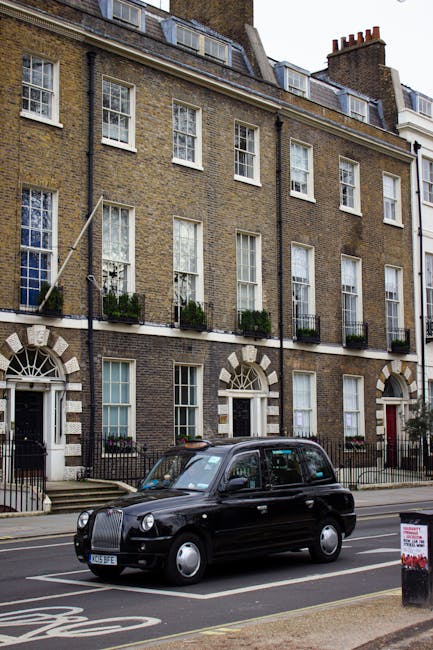
Period homes are lovely, but they can be unforgiving on moving day. On Stoke Newington Church Street, many homes have features that make life interesting for movers: tighter hallways, original floors that mark easily, awkward front steps, decorative cornicing, and staircases that seem to have been designed before wardrobes got so large. One careless turn and you can scuff a banister or chip a wall. It happens fast.
That is the main reason this type of move matters. A standard removal approach can work for modern flats with easier access, but period properties usually need a more measured process. You need a team that can size up the route, protect the building, and move larger pieces with patience rather than speed. If the move includes antiques, upright pianos, or heavy sideboards, the margin for error gets even smaller. For those situations, it is worth looking at specialist help such as piano removals in Hackney or broader furniture removals support when the items are oversized or awkward.
There's also the local context. Stoke Newington Church Street can be busy, and moving vehicles have to be planned around the realities of the road, parking, and pedestrian flow. A move that starts well can still go sideways if the van can't stop safely or if loading takes longer than expected. So yes, it's about the house, but it's also about the street outside it. That balance matters more than people think.
Expert summary: With period homes, the goal is not simply to move quickly. The goal is to move safely, protect the building, protect the furniture, and keep the day controlled enough that nobody ends up breathing through their teeth at the sight of a scratched floor.
How Stoke Newington Church Street removals for period homes works
The process usually starts with an assessment. That can be a phone consultation, a video walkthrough, or an in-person look at the property. The point is simple: understand access before the day arrives. In a period home, access is the whole game. Are there narrow stairs? Is the front path steep? Are there low ceilings in the loft? Is the property on a one-way stretch where the van will need to wait rather than park directly outside? These details shape the moving plan.
Once access is understood, the packing and protection stage begins. Good removals for older homes usually involve more than just boxes. It may include floor runners, padded blankets, corner protectors, wardrobe cartons, glass protection, and careful wrapping for anything with a fragile finish. If you want to improve packing efficiency, especially for breakables, it can help to read about packing fragile items more efficiently and the practical use of packing materials and boxes suited to different item types.
On the day itself, the team should work in a clear sequence:
- Protect the property before lifting anything.
- Load larger, heavier items first where possible.
- Keep fragile pieces separate and clearly marked.
- Use two-person lifts or specialist handling for awkward furniture.
- Check the property again before leaving to make sure nothing is behind.
That sounds straightforward, and in a sense it is. But the quality sits in the small details. A mover who pauses before carrying a tall wardrobe around a tight landing is usually doing the right thing, even if it takes a minute longer. Better that than a cracked frame and a dented wall. Simple as that.
For larger family homes, the move may also be split into sections: loft items first, then bedrooms, then dining room pieces, then final walk-through. If you're planning a bigger property move more generally, it may also be useful to review house removals in Hackney alongside the practical planning advice in this article.
Key benefits and practical advantages
There are some very real advantages to using a removal approach shaped around period homes rather than a one-size-fits-all method. The biggest one is protection, but there are others too.
- Less risk to original features: Cornices, skirting boards, architraves, bannisters, and floors all benefit from careful handling.
- Better handling of awkward furniture: Older homes often have oversized furniture in rooms that were not built for today's dimensions.
- Cleaner loading and unloading: A mapped plan reduces the back-and-forth that can lead to bumps and scrapes.
- Less moving-day stress: When the route and equipment are sorted early, the day feels more manageable.
- Safer handling of valuables: This matters for antiques, artwork, mirrors, and family pieces that are hard to replace.
There's another benefit people overlook: confidence. Once you know the move has been thought through properly, you stop second-guessing every decision. You can focus on the new home, the key handover, the last kettle boil, the "where did we put the charger?" moment that always turns up at the worst possible time.
For buyers and sellers, timing also matters. If your move is connected to a property sale, the whole process can feel linked together. The moving plan should fit the broader handover schedule, and in Hackney that often means keeping one eye on completion timing and one eye on practical access. If that sounds familiar, the Hackney home sales guide can be a helpful companion read.
Who this is for and when it makes sense
This type of service is especially useful if you are moving from or into a period property on Stoke Newington Church Street, but it is not limited to homeowners with large houses. Truth be told, even a smaller terrace can cause plenty of access headaches if the staircase is narrow or the furniture is chunky.
You may need this approach if you are:
- moving from a Georgian, Victorian, Edwardian, or other older home;
- handling valuable furniture or antiques;
- working with awkward access, tight stairwells, or limited parking;
- coordinating a family move where lots of items need careful sorting;
- trying to keep disruption low because the property is newly decorated or recently restored;
- moving on a tight timeline and need help structuring the day properly.
It also makes sense if you are downsizing. Period homes often hold more than people realise. There's always one cupboard that turns out to be a time capsule. Old documents. A lamp from a relative. A stack of records you forgot you owned. If you're reducing volume before the move, storage can be a very sensible bridge, and a service like storage in Hackney can buy you breathing room.
And if you do not need a full-scale team? That's fine too. Some moves are better served by a smaller vehicle and a lighter load, especially where access is simple and the volume is modest. In that case, options such as man and a van in Hackney or a flexible man with van service may fit the job better.
Step-by-step guidance
Here is a practical way to approach a period-home move on Stoke Newington Church Street without making it harder than it needs to be.
1. Walk the property slowly
Start by walking room to room and noting everything that may need extra handling. Look at the height of the ceilings, the width of the stairs, and the tight turns between rooms. Open doors fully. Check whether furniture can move without removing legs, handles, or shelves. You will often spot the issue before the mover does, which is useful.
2. Separate the difficult items early
Do not leave antiques, mirrors, lamps, or tall bookcases until the last minute. Group them early and decide what needs extra wrapping, dismantling, or specialist care. If you have a piano, treat that as its own mini-project. It is never just another item.
3. Measure the route, not just the room
People often measure the sofa and forget the hallway. The hallway is usually where the trouble begins. Measure door widths, stair landings, and the path from room to van. If the property has a narrow entrance, this is where a little realism saves a lot of swearing later.
4. Pack for protection and clarity
Use strong boxes, proper tape, and clear labels. Keep heavy items in small boxes rather than overfilling larger ones. For period homes, wrapping matters just as much as boxing. Glass, ceramics, framed art, and decorative objects deserve more attention than a quick layer of paper. If you want a deeper method, review space-saving fragile packing methods before you begin.
5. Plan parking and timing carefully
A van that is arriving late or parking too far away can add a lot of avoidable stress. Ask in advance how access will be managed and whether the team will need to work around traffic, loading restrictions, or limited stopping space. On busy stretches, a few extra minutes of planning can save a very long carrying distance.
6. Protect the old home before you lift
Lay runners, guard corners, and use blankets around door frames and banisters where needed. That small layer of protection is often the difference between a neat move and a move that leaves evidence behind. Not the kind you want.
7. Do a final sweep before departure
Before the van drives away, check cupboards, loft access, behind doors, and under beds. Older homes can have hidden spaces that are easy to forget. One final walk-through keeps small valuables from being left behind.
Expert tips for better results
Here's where a bit of real-world experience helps. Period homes reward patience. That sounds obvious, but it changes how the whole job is run.
- Use softer lifting where possible: Carry furniture with control, not momentum. Momentum is where trouble lives.
- Dismantle only when it helps: Not every piece should come apart. Some older furniture is more stable intact than in pieces.
- Keep floor protection in place longer than you think: Final jobs often involve extra traffic back through the property.
- Stage boxes by room: It makes unloading easier and reduces chaos at the other end.
- Label the awkward stuff clearly: "Fragile," "This side up," and room names still do useful work. Old-fashioned? Maybe. Effective? Very.
- Choose the right vehicle size: Oversized vans can be harder to place on busy streets; too small and you create extra trips. The sweet spot matters.
One of the better habits is to think like a mover for ten minutes before moving day. Stand in the doorway and imagine the largest item passing through. Where will it catch? Where will the person carrying it need to turn? That simple mental rehearsal often reveals more than a rushed pre-move checklist ever does.
It also helps to sort out any items you do not need to take immediately. If you are still deciding what to keep, sell, donate, or store, the move gets lighter and cheaper in practice. For some readers, the broader advice in the property investment planning piece can also be useful because it encourages a more strategic approach to what stays and what goes.

Common mistakes to avoid
Most removal problems are not mysterious. They come from predictable mistakes. The good news is that they are usually avoidable.
- Underestimating access: A beautiful room can still be a nightmare to reach.
- Using oversized boxes for heavy items: Boxes should be manageable. If you need a heroic lift, the box is too full.
- Leaving fragile packing until the end: That is how things get rushed, crushed, or both.
- Ignoring parking and stopping space: In London, this can create delays fast.
- Not protecting original features: Period homes need more guarding than newer builds.
- Forgetting to notify neighbours or building management where relevant: A little courtesy goes a long way in close-knit streets.
- Choosing a service by price alone: Cheap can become expensive once damage or delay enters the chat.
A surprisingly common one is forgetting that period homes can have hidden variations between floors. One staircase may be roomy, the next tight. A wardrobe that looked easy on the ground floor can turn into a geometry lesson halfway up the stairs. It's annoying, but it happens.
Another mistake? Not telling the team about one awkward piece because "it should be fine." If it looks awkward to you, mention it. That is exactly the sort of detail that helps a crew prepare properly.
Tools, resources and recommendations
You do not need a van full of specialist kit to move a period property well, but a few tools make the process much smoother. The point is to protect both the home and the contents without turning the job into an overcomplicated production.
| Tool or resource | Why it helps | Best used for |
|---|---|---|
| Wardrobe boxes | Keep clothing hanging and reduce creasing | Bedrooms and dressing rooms |
| Furniture blankets | Protect wooden finishes and edges | Antique pieces, tables, cabinets |
| Floor runners | Help reduce scuffs on older floors | Hallways, landings, entrances |
| Strong tape and labels | Improves box integrity and room sorting | All packing stages |
| Storage solution | Provides breathing room for phased moves | Downsizing, renovations, delayed handover |
For readers who want a fuller view of local moving support, the services overview is a sensible starting point. If you are comparing different approaches, removals in Hackney and removal services in Hackney can help frame what level of support suits your move.
If you are packing highly valuable or fragile pieces, add a little time buffer. Realistically, good packing takes longer than people expect. Better to spend an extra half hour wrapping properly than to improvise on the spot and regret it at 10pm, which is nobody's favourite moving-day experience.
Law, compliance and best practice
There are a few compliance and best-practice areas worth keeping in mind when arranging a removal in London. This is not legal advice, but it is the sensible practical stuff that helps the process run cleanly.
Parking and road access: Make sure the vehicle can stop or park lawfully. On busy streets, this may require planning around local restrictions and timing. If access is tight, ask how loading will work and whether the team has experience with narrow roads and limited waiting space. That is especially important for period properties where the front of the house may not allow easy roadside loading.
Insurance and handling: A reputable removals operation should be able to explain how goods are handled, what happens if something is damaged, and what level of cover applies. If the property contains antiques or high-value pieces, be especially clear before the move starts. It is much easier to sort expectations at the beginning than after the fact. A useful companion read here is insurance and safety guidance.
Health and safety: Manual handling matters. Heavy or awkward items should be lifted with proper technique and the right number of people. Old homes can have uneven floors, narrow turns, and low-light areas, so a careful route matters. If you want to understand the wider standards a professional crew should follow, review the company's health and safety policy.
Service terms: Before booking, read the service terms carefully. It sounds dry, yes, but it helps clarify cancellation, timing, and what is included. For secure payment handling and service expectations, the relevant pages on payment and security and terms and conditions are worth a look.
Ethical and operational standards: Many readers also like to know that the business they use has clear standards beyond the move itself. Pages such as about us and modern slavery statement can help signal that the company is run with proper accountability. That matters more than people think.
Options, methods, or comparison table
Not every move from a period home needs the same setup. Here's a straightforward comparison of the most common approaches.
| Method | Best for | Strengths | Watch-outs |
|---|---|---|---|
| Full removals team | Large homes, heavy furniture, careful packing | More support, better handling, less lifting for you | Usually costs more than smaller options |
| Man and a van | Smaller moves, lighter loads, short-distance jobs | Flexible, efficient, often a good fit for compact jobs | Less ideal for very bulky or highly fragile loads |
| Self-packed phased move | People with time and lower volumes | Can be budget-friendly and flexible | Requires more organisation and physical effort |
| Storage-assisted move | Downsizing, refurbishments, delayed completion | Reduces pressure on the moving day | Needs more planning and multiple stages |
There is no single best option for everyone. A period terrace with antique furniture might need a full service. A one-bedroom flat above a shop may be better suited to a smaller, lighter setup. If your situation is somewhere in the middle, a man with van in Hackney can sometimes be the neat compromise, especially where access is reasonably manageable.
If you are moving a flat rather than a house, the difference in access and handling may be significant enough to justify a focused approach like flat removals in Hackney. It's not about labels. It's about fit.
Case study or real-world example
Here's a realistic example. Imagine a couple moving from a Victorian terrace just off Stoke Newington Church Street into another older property nearby. They own a marble-top dining table, a tall wardrobe, a few framed prints, several heavy boxes of books, and one piano that has been in the family for years.
They start by doing what many people forget to do: they walk the route from front room to van. They notice the landing turn is tighter than expected, and the wardrobe will not take the corner upright. So they decide to dismantle it the evening before, label the parts, and keep the screws in a sealed bag. They also pad the banister and lay floor protection in the hallway.
On moving day, the team loads the piano separately, the boxes of books low in the van, and the mirrors and prints last so they can be accessed quickly. The couple has already made a decision about a few items they are not ready to unpack, so those go into storage rather than creating clutter in the new house. Nothing dramatic happens. No last-minute panic. No chipped plaster. Just a controlled, steady move. Which, let's be honest, is exactly what most people want.
In a real setting, that same move could easily have gone badly if they had guessed at the access or left packing until the final morning. The difference between a stressful day and a decent one is often about preparation, not brute force.
If you are interested in the wider local moving picture, some people also like to understand the neighbourhood better before they settle in. Reads such as local opinions on quality of life in Hackney and hidden charms of Hackney can add a bit of useful context if you are new to the area.
Practical checklist
Use this checklist in the final week before moving day. It keeps the process grounded and stops little things from slipping through the cracks.
- Confirm the moving date, arrival time, and access details.
- Measure the largest furniture items and the narrowest routes.
- Set aside fragile, valuable, and sentimental items for special packing.
- Protect floors, bannisters, and door frames in advance.
- Label boxes by room and mark fragile items clearly.
- Prepare a separate essentials bag with chargers, toiletries, documents, and kettle supplies.
- Arrange parking or stopping details for the van where needed.
- Decide in advance whether anything should go to storage.
- Check service terms, payment details, and insurance cover before the day.
- Do one final walk-through of lofts, cupboards, under beds, and window ledges.
If your move involves a smaller load or a fast turnaround, you may also want to consider same day removals in Hackney or a simpler removal van arrangement. The right choice is the one that matches your actual workload, not the one that sounds most impressive.
Get a free quote today and see how much you can save.
Conclusion
Stoke Newington Church Street removals for period homes are all about respect: respect for the building, for the furniture, for the street outside, and for the amount of effort a proper move really takes. Period homes reward careful planning because they rarely forgive rushed decisions. That may sound a bit stern, but it's true.
If you map the access, pack with care, protect the property, and choose the right kind of help for the scale of the job, the move becomes much more manageable. You do not need perfection. You just need the right sequence, the right equipment, and enough calm to stop the day from running away with itself. And once the last box is in, you get that quiet moment where the house feels like yours again. That part is worth the effort.
Take it steady, trust the plan, and give the move the care a period home deserves.

With a focus on orchestrating seamless home and office removals, Henry stands out as a specialist removals manager with significant experience. His years of expertise enable him to expertly plan moves tailored to the specific needs of clients.