Hackney Wick E9 removals tips for canal side flats
Posted on 06/06/2026

Moving out of a canal side flat in Hackney Wick can look straightforward on paper, then suddenly feel like a puzzle with narrow stairwells, awkward parking, and a sofa that seems to have grown overnight. If you are planning a move in E9, the right Hackney Wick E9 removals tips for canal side flats can save you time, stress, and a few bruised shins too. The local set-up matters here: waterside blocks, lift access that may be limited, shared entrances, and roads that can get busy at the exact moment you need them not to. This guide breaks everything down in plain English, from planning and packing to access checks, timing, and choosing the right moving method.
You will find practical advice, realistic examples, and a few hard-earned bits of judgement that are useful whether you are moving a studio, a one-bedroom flat, or a larger apartment with bulky furniture. Let's get into it.
Why Hackney Wick E9 removals tips for canal side flats Matters
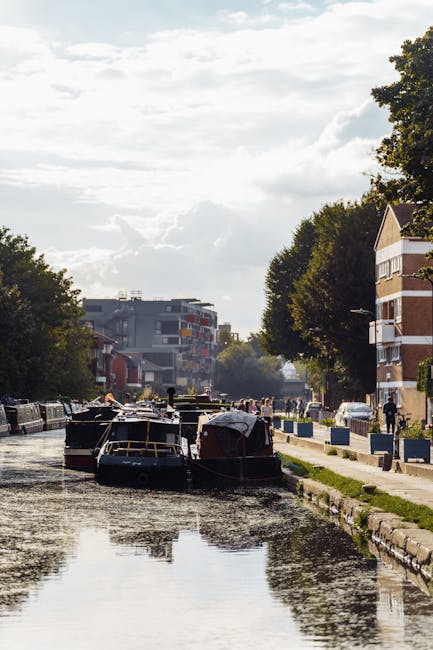
Canal side living in Hackney Wick has a lot going for it: the light, the views, the buzz, and the slightly calmer feel compared with some busier parts of inner London. But those same features can make removals trickier than a standard house move. Flats near the canal often sit in developments with tighter loading areas, controlled access, shared corridors, and stairs or lifts that are not always the kind you want to wrestle a wardrobe through. Truth be told, the environment shapes the move almost as much as the contents of the flat.
That is why general moving advice often falls short. A good plan for a terraced house in E9 may not be enough for a waterside apartment with limited kerb space and neighbours who need the hallway kept clear. A little local awareness goes a long way. For a wider sense of the neighbourhood and what daily life feels like around here, it can help to read about the quality of life in Hackney from local opinions and the hidden charms of Hackney beyond the usual spots. Those context pieces matter because moving is not just about boxes; it is about how the local area actually works on the day.
Another reason this topic matters is damage prevention. Canal side flats often involve more carrying distance from vehicle to front door, plus narrow internal routes. The more steps and turns there are, the more chance there is of scuffed walls, chipped furniture, or a box getting dropped because someone had to pivot awkwardly. Nobody wants that. Not at 8am on moving day, anyway.
Key takeaway: canal side flat moves in Hackney Wick reward preparation. If you plan access, reduce load size, and match the vehicle to the site, the move becomes far more manageable.
How Hackney Wick E9 removals tips for canal side flats Works
The basic idea is simple: break the move into smaller, safer stages that suit the building, the street layout, and the amount of furniture you actually have. In practice, that means checking access, packing smart, reserving the right vehicle size, and building in a little buffer for delays. Can it be done in a rush? Sometimes. Should you rely on that? Usually not.
A canal side flat move generally works best when you think in zones:
- Outside the building: vehicle access, parking, and distance from van to entrance.
- Inside the building: lifts, staircases, door widths, corridor bends, and shared spaces.
- Inside the flat: dismantling furniture, packing by room, and protecting fragile items.
- On the day: sequence, carry order, and communication with everyone involved.
The local geography adds a twist. Waterside developments in Hackney Wick can mean more foot traffic, awkward loading times, and shared access routes. That affects how quickly items can be moved in and out. A move that looks like a two-hour job may become three if the van has to park further away than expected. That is not a disaster, just a planning issue.
If your move includes bulky items, it is wise to think beyond the standard box-and-bag approach. For example, wardrobes, sofas, mirrors, and anything delicate should be packed and handled with more care. Our article on packing fragile items with space-saving in mind is useful if you are trying to make the most of limited flat storage before moving day. And if you have larger pieces that are awkward to shift, a dedicated furniture removals Hackney service can make the job simpler, especially in buildings where manoeuvring space is tight.
The move works best when the team has clear instructions. Which entrance is easiest? Where can the van wait? Is the lift available? Are there any time restrictions? Those small details are what keep a local flat move smooth rather than chaotic.
Key Benefits and Practical Advantages
Done well, a canal side flat move is not just about avoiding problems. It also gives you real, practical advantages.
- Less damage risk: careful packing and smaller load sizes reduce bumps and scrapes.
- Faster loading: a clear route from flat to vehicle keeps the move moving, so to speak.
- Less stress: fewer last-minute surprises means you can think properly.
- Better cost control: efficient access and preparation can reduce wasted time.
- Cleaner handover: a tidy departure helps with deposits, inventory checks, and landlord expectations.
There is also a quieter benefit people sometimes miss: mental breathing room. When your move is organised, you feel it. You are not hunting for a charger, a kettle, and your passport in the same box at the same time. You know where the essentials are. You know who is bringing what. That calm is worth a lot on moving day.
If you are still deciding what type of move support makes sense, it can help to compare the main service styles. Some people only need a van and a couple of hands, while others need a fuller removals team. The general service overview on removal services in Hackney and the more focused flat removals Hackney page are helpful starting points when you are weighing up options.
One practical advantage of proper preparation is that it helps with neighbours and building management too. Canal side blocks often have shared spaces, and nobody enjoys a jammed lobby or repeated door propping. Keep the move orderly and you stay on better terms with everyone. Simple, but easy to forget when boxes are everywhere.
Who This Is For and When It Makes Sense
This advice is for anyone moving from a flat near the canals in Hackney Wick, especially if you have:
- a top-floor apartment with stairs only
- a building with a small or shared lift
- limited roadside parking nearby
- bulky or fragile belongings
- a move-out deadline linked to tenancy or sale completion
- little time to spare between handover and arrival
It also makes sense if you are moving in a more piecemeal way. For instance, students leaving a rental, young professionals downsizing, or couples combining households often have a mix of bags, flat-pack furniture, and a few sentimental pieces that need extra care. If that sounds like you, a flexible option such as man and a van in Hackney or man with van Hackney can be a sensible fit. It is often a good match for smaller flats where speed and access matter more than moving a whole household in one go.
This guidance is less useful if you are moving a large house with wide access and plenty of parking. In that case, you may need a different plan entirely. For bigger domestic moves, look at house removals Hackney or the broader Hackney removals options instead.
If you are on a deadline, maybe because of a tenancy handover or an exchange date, it can also be worth considering same day removals Hackney. That is not always necessary, of course, but it can be a lifesaver when timelines get squashed. London loves to do that, just to keep everyone honest.
Step-by-Step Guidance
1. Walk the route before the move
Stand at the building entrance and walk the path to the van space. Count steps, note corners, and look for anything awkward such as low rails, tight turns, or doors that only open one way. If you are moving at night or early morning, imagine the route in poor light too. A five-minute route check can save a twenty-minute delay later.
2. Measure the problem items
Do not guess the size of your sofa, mattress, wardrobe, or washing machine. Measure them. Then measure the lift, hallway width, and the tightest turn. If an item will not comfortably fit, decide in advance whether it needs dismantling or specialist handling. That small bit of honesty beats a stressed scramble on moving day.
3. Pack by room and by priority
Start with the items you use least. Label boxes by room, then add a short note like "kitchen glassware" or "bedside essentials". Keep one "first night" bag aside with chargers, toiletries, tea, medication, and documents. The first evening in a new flat feels much better when you can make a cup of tea without rummaging through six cardboard boxes. Been there.
4. Protect fragile and awkward items properly
Use wrapping, cushioning, and snug box packing so items do not slide around. For glass, ceramics, lamps, and framed art, padding matters more than box size. Empty space is the enemy here. If you need practical ideas, the guide to packing boxes in Hackney offers a useful place to think about materials and box choice.
5. Decide what should travel separately
Some items are better carried by hand rather than loaded with the rest. Documents, keys, medication, valuables, and small electronics are obvious examples. I would also keep one spare set of clothes and a phone charger with you. Not glamorous, but very useful when a box goes missing in the chaos of the day.
6. Book the right vehicle and support level
For a smaller canal side flat, a compact vehicle and a careful loading plan may be enough. For larger apartments or more complicated access, a bigger removal van and a fuller team can be a better choice. If you need something more structured, take a look at removal van Hackney and removal services Hackney to understand how different setups work.
7. Leave time for the handover
Even when the move itself is organised, the final check can take longer than expected. Look in cupboards, behind radiators, on shelves, and under beds. Canal side flats often have little storage nooks and odd corners where items get forgotten. It happens all the time.
Expert Tips for Better Results
After enough local moves, a few patterns become obvious. The small things matter more than the grand plan.
- Book access first, then the move: if building rules, parking, or lift booking are needed, handle those early.
- Use smaller boxes for heavy items: books in oversized boxes are a common regret.
- Do not overfill bags: soft bags might look harmless, but they become awkward bricks when packed badly.
- Keep a wall-protection plan: blankets or protective covers help in narrow corridors.
- Load in reverse order: the things you need first at the new flat should go in last.
If you have an awkward piece like a piano, specialist handling is usually worth it. It is one of those items where confidence alone is not enough, and enthusiasm has never been a recognised lifting technique. For that kind of move, piano removals Hackney is the obvious route.
Another useful habit: photograph the state of the flat before you leave. That is not paranoia; it is just sensible, especially if you are handing back a rented canal side apartment with shared walls and high foot traffic. It can help if there is later a question about marks, damage, or what was left behind.
And one more thing: communicate the awkward bits early. If the lift is small, say so. If the parking is limited, say so. If the sofa has a fixed frame that does not come apart, say so. Good movers appreciate clarity more than last-minute surprises. Much more.
Common Mistakes to Avoid
Most moving headaches are preventable. The biggest mistake is assuming a canal side flat move will behave like every other move. It won't. Not quite.
- Ignoring access restrictions: a blocked entrance or unavailable parking can throw off the whole day.
- Leaving packing too late: rushed boxes are often heavier, weaker, and badly labelled.
- Using the wrong box sizes: large boxes for dense items are a recipe for strain and splitting.
- Forgetting building rules: some blocks need notice before use of lifts or loading bays.
- Not checking insurance and safety arrangements: you want to know what is covered before anything gets damaged.
That last point matters more than people think. Before you book, it is sensible to review insurance and safety information and the company's health and safety policy. You are not trying to be difficult. You are trying to avoid a messy misunderstanding if something unexpected happens.
Another common misstep is underestimating how long loading takes when the van cannot park close by. A one-minute walk sounds fine until you repeat it twenty times with boxes, and then suddenly the clock feels very different. It's funny how that works, unfortunately.
Tools, Resources and Recommendations
You do not need a mountain of gear, but a few practical tools make a real difference.
| Item | Why it helps | Best use |
|---|---|---|
| Strong boxes | Prevents collapse and crushing | Books, kitchenware, mixed household items |
| Bubble wrap or paper | Protects fragile surfaces | Glass, ceramics, lamps, frames |
| Furniture blankets | Reduces scuffs and edge damage | Sofas, tables, wardrobes |
| Labels and marker pens | Makes unloading quicker | All boxes and bags |
| Tools for dismantling | Helps with flat-pack and larger furniture | Beds, desks, shelving |
| Trolley or sack truck | Saves effort on heavier items | Boxes, appliances, tight hallways |
If you are comparing service styles, reading around the company's background can help too. The about us page gives a sense of the business, while removal companies in Hackney can help you think about what to expect from local providers. For clearer booking expectations, take a look at pricing and quotes. That sort of practical transparency is useful when you are trying to budget without guesswork.
For people with fewer items, or a move that needs a lighter-touch approach, man with a van Hackney may be the sweet spot. If you are comparing it with a more general option, the dedicated man with van Hackney page can also be helpful, though yes, the wording is a bit old-school. London moving jargon tends to be like that.
If you are clearing out items rather than taking everything with you, responsible disposal matters too. Consider the practical guidance on recycling and sustainability so you can separate reusable items, donations, and waste before moving day. Less clutter, less stress.
Law, Compliance, Standards, or Best Practice
For a typical flat move in Hackney Wick, the main compliance considerations are usually practical rather than legal drama. That said, there are a few best practices worth taking seriously.
- Parking and access: check whether your building or street has restrictions on loading, stopping, or use of shared entrances.
- Building management rules: some apartments require lift booking, advance notice, or protective coverings in communal areas.
- Insurance: make sure you understand what your mover covers and what remains your responsibility.
- Health and safety: lifting methods, safe carrying, and route planning should be part of the process, not an afterthought.
- Data and personal items: keep documents, devices, and valuables with you rather than packing them into the general load.
There is also a trust aspect. A professional mover should be clear about payment methods, booking terms, and what happens if plans change. Before confirming anything, it is sensible to review the company's terms and conditions and payment and security information. That gives you a better idea of the process and reduces the chance of a frustrating misunderstanding later.
If you ever need to raise a concern, a clear complaints process is a good sign rather than a bad one. The same goes for policies on privacy and cookies, which simply show a business has thought through its responsibilities properly. You may never need them, but it is reassuring to know they exist.
Options, Methods, or Comparison Table
Different move setups suit different canal side flats. The best choice depends on how much you have, how tight the access is, and how much help you want on the day.
| Option | Best for | Strengths | Trade-offs |
|---|---|---|---|
| Man and van | Small to medium flat moves | Flexible, quick, often easier for short jobs | Less suited to very large loads |
| Full removals service | Larger flats or awkward access | More support, better for bulky furniture | Usually more planning required |
| Self-managed move | Very light loads or budget moves | Cheapest if you already have transport | Most stressful and physically demanding |
For many canal side flats in E9, the middle ground is ideal. You may not need a full house-moving crew, but you probably also do not want to lift everything yourself after a long day. That is where local expertise and the right vehicle size can make all the difference.
If you are still unsure, compare the kind of support you need against the contents of your flat. Heavy wardrobe? Bulky sofa? Lots of glassware? Then a more structured approach usually wins. A smaller studio with a few boxes? A lighter service may be enough. No need to overcomplicate it.

Case Study or Real-World Example
Here is a realistic example, based on the kind of move people commonly face in Hackney Wick.
A tenant in a canal side one-bedroom flat needed to move out on a Friday afternoon. The building had a lift, but it was small. Parking near the entrance was limited, and the road outside was busy with people coming and going. The flat itself had a sofa, double bed, a desk, eight boxes, a bike, and several fragile kitchen items.
Instead of loading randomly, the move was split into stages. Fragile items were packed the night before. The bed was dismantled in advance. The bike and smaller boxes were carried first to keep the route clear. Larger furniture went last, with blankets used to protect corners. The van was positioned as close as possible, and one person stayed near the entrance so the path did not get blocked.
The result was not magical, just sensible. The move took less time than expected, nothing was dropped, and the final flat check was straightforward. The tenant still had time for one last coffee by the window before leaving. That matters more than people admit.
What made the difference was not speed. It was sequence. The flat was moved in the right order, with the right tools, and without pretending the access was easier than it actually was.
Practical Checklist
Use this checklist the day before and the morning of your move.
- Confirm the move date and time window
- Check access arrangements with the building or landlord
- Measure large furniture and tight doorways
- Reserve parking or loading space if required
- Pack fragile items separately and label them clearly
- Prepare a first-night bag with essentials
- Dismantle furniture that will not fit safely through the route
- Protect floors, corners, and communal areas where needed
- Keep valuables and documents with you
- Review insurance, terms, and payment details in advance
- Dispose of unwanted items responsibly
- Do a final room-by-room sweep before handing back keys
If you want a second opinion on whether your move is best handled with a light-touch or fuller service approach, the team behind removals Hackney and removal services can help you think it through in practical terms. And if you are moving as a student, the specific needs can be quite different again, so student removals Hackney is worth a look too.
Conclusion
Canal side flats in Hackney Wick have their own moving personality. They are often bright, desirable, and a little fiddly to handle. That is the honest version. But with the right Hackney Wick E9 removals tips for canal side flats, the move becomes much more manageable. Plan the access, pack intelligently, choose the right support level, and leave yourself enough time to breathe. That is the game.
Most moving stress comes from trying to improvise around things you could have checked earlier. Once you remove that uncertainty, the whole day gets easier. Not perfect. Just easier. And honestly, that is usually enough.
Get a free quote today and see how much you can save.
Whether you are leaving a waterside studio or a larger apartment with tricky access, a calm, methodical move tends to pay you back in peace of mind. And that's worth a lot, especially when the kettle is packed.

With a focus on orchestrating seamless home and office removals, Henry stands out as a specialist removals manager with significant experience. His years of expertise enable him to expertly plan moves tailored to the specific needs of clients.