Dalston Mare Street removals guide for narrow properties
Posted on 29/05/2026
If you are moving on or around Mare Street in Dalston, you already know the problem is rarely the packing alone. It is the staircase that twists at the top, the hallway that feels about two inches wider than a wardrobe, the front door that opens just enough to make things awkward, and the van parking spot that disappears the moment you blink. This Dalston Mare Street removals guide for narrow properties is built for exactly that kind of move: tight access, compact flats, awkward landings, and the small logistical headaches that can turn a simple day into a long one.
The good news? Narrow properties are absolutely manageable when you plan them properly. You do not need magic, just a sensible sequence, the right kit, and a clear view of what can be dismantled, what can be carried upright, and what probably should not be wrestled through a stairwell at 8am on a wet Thursday. Truth be told, that last bit saves people more stress than they expect.
Below, you will find a practical breakdown of how to move safely and efficiently in tight Dalston and Mare Street homes, what to prepare before move day, how professional crews approach access issues, and where people most often get caught out. If you are comparing service options too, it may help to look at local removals in Hackney, flat removals for compact homes, or even a more flexible man and a van service in Hackney depending on the size of the job.
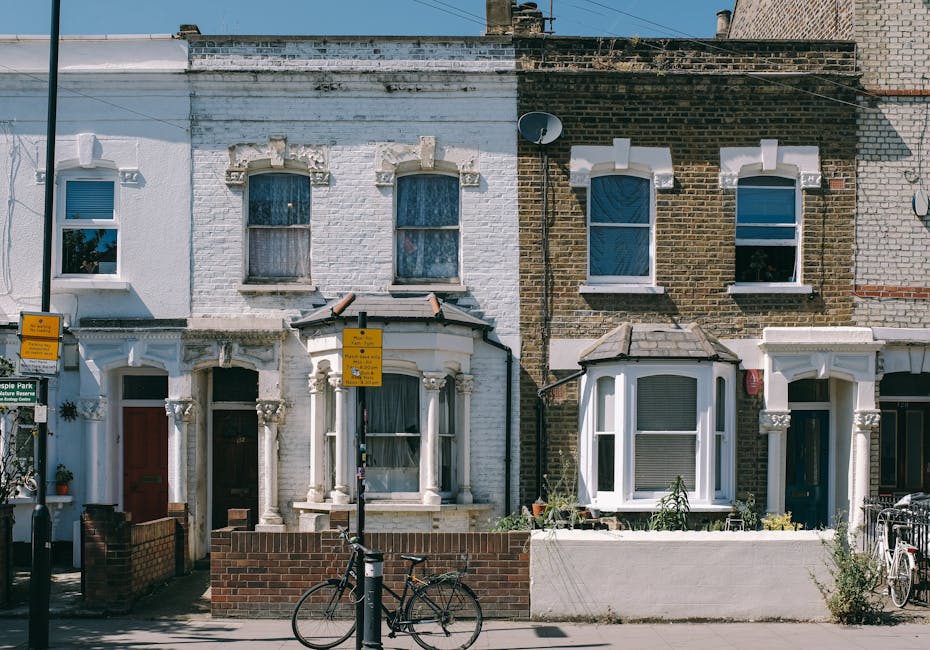
Why Dalston Mare Street removals guide for narrow properties Matters
Dalston and the wider Hackney area have a lot of older housing stock, converted flats, split-level layouts, and buildings where access was never designed with modern furniture in mind. Mare Street in particular can mean busy pavements, limited waiting space, and entrances that are fine for a person but not fine for a sofa. That is why a standard moving checklist is not enough. Narrow-property removals need a different mindset.
In practice, the risks are simple: damage to walls, damage to furniture, delays while items get turned round, and avoidable strain on the people carrying everything. A badly planned move can also increase the chance of complaints from neighbours if hallways are blocked too long, or if the van is parked in the wrong place and the whole schedule slips. Not glamorous, but very real.
What makes this topic especially relevant is that a lot of people moving in Dalston are dealing with flats rather than large houses. That means stairs, shared entrances, basement access, loft rooms, and staircases with awkward turns. Sometimes the lift is tiny. Sometimes there is no lift at all. Sometimes there is that one old radiator on the landing that seems designed to catch the corner of every mattress in London. If that sounds familiar, you are in the right place.
A narrow-property move also tends to reward preparation more than brute force. You often save more time by measuring properly and packing smartly than by trying to "just get it done". That is especially true for larger items like wardrobes, bookshelves, mirrors, and pianos. For fragile or awkward loads, the planning side is half the job. You may also find it useful to review space-saving packing strategies for fragile items if your boxes need to be compact without becoming risky.
Expert summary: Narrow-property removals are mostly won or lost before move day. Measure access, reduce bulk, protect corners, and choose a vehicle and crew size that match the building, not just the inventory.
How Dalston Mare Street removals guide for narrow properties Works
A successful narrow-property move usually follows the same basic flow, even if the property itself is a bit of a puzzle. First, the access is assessed. Then the load is broken down into manageable pieces. After that, the crew decides whether items should be moved on foot, via a trolley, or with a van parked as close as possible to the entrance.
The access assessment is the part people skip most often, and it is a mistake. You need to know the width of the stairwell, the turning points on landings, the clearance around banisters, and whether any doors need to be removed temporarily. If a piece of furniture can only move by being angled, tilted, or rotated, that has to be factored in before the day starts. Otherwise, you end up with a wardrobe halfway down the stairs and a collective silence nobody enjoys.
On Mare Street, timing also matters. Even if your actual load is not large, the building's access conditions can create bottlenecks. A crew may choose a smaller removal vehicle, a man and van setup, or staggered loading to keep things moving efficiently. For some jobs, a dedicated removal van in Hackney is the better fit because it balances space with manoeuvrability.
There is also a packing logic here. Narrow staircases do not forgive loose handles, flapping lids, or overfilled cartons. Boxes should be sealed properly, stacked with the heavier items lower down, and labelled in a way that makes unloading quick. If your move includes kitchenware, lamps, mirrors, or glass shelving, the packing stage becomes even more important than usual. A useful supporting read is packing and boxes advice for Hackney moves.
In short, the process works best when the move is treated like a sequence of small decisions rather than one big lift. A lot of people try to solve everything in one go. That rarely ends well.
Key Benefits and Practical Advantages
When narrow-property removals are planned well, the payoff is surprisingly big. The obvious benefit is less damage, but there are several other advantages that people often overlook until they experience them directly.
- Less risk of collisions: careful planning reduces scuffed walls, chipped paint, and battered furniture edges.
- Faster loading and unloading: items arrive in the right order and fit the access route better.
- Lower physical strain: no heroic carrying, no unnecessary lifting, fewer awkward twists.
- Better use of the van: items are loaded in a way that suits the vehicle size and the building layout.
- Less disruption to neighbours: shorter time in shared hallways and fewer blocked entrances.
- More predictable costs: fewer delays and fewer surprises usually mean a smoother final bill.
There is also a psychological benefit, to be fair. A move feels much more manageable when each room has a plan and each item has a route. You stop seeing the whole day as one intimidating task and start seeing it as a set of simple actions: dismantle, wrap, carry, load, secure. That shift matters.
If you are moving from a compact Dalston flat, this can also help you decide whether a full service move is necessary or whether a smaller crew is enough. Some people only need light support and transport; others need help with the stairs, bulky furniture, and tight parking. Pages like the services overview and removal services in Hackney can help you compare options in a straightforward way.
Who This Is For and When It Makes Sense
This guide is useful if you are moving out of, or into, any property where access is restricted. That includes top-floor conversions, narrow terraced houses, maisonettes with tight stairs, basement flats, and older buildings with awkward communal areas. If you have ever stood in a hallway wondering how on earth a double mattress is supposed to make it round the bend, this is for you.
It is especially relevant for:
- tenants moving between rented flats in Dalston or along Mare Street
- homeowners dealing with compact period properties
- students moving into smaller rooms or shared houses
- people with larger items such as sofas, wardrobes, desks, or musical instruments
- anyone needing a fast local move with limited parking time
Sometimes the move makes sense for a smaller vehicle and a lighter crew. Sometimes it calls for a full removals team. If you are unsure, a quick assessment can save you a lot of hassle. For instance, a very small flat move with good access might suit a man with van service in Hackney, while a more furniture-heavy job may be better handled through furniture removals support.
It also makes sense for last-minute moves. Narrow properties can be awkward, but they are not automatically slow if the right approach is used. If you have a same-week move and the access is manageable, a same day removals option may be worth exploring. Not every move can be rushed, obviously, but some can.
Step-by-Step Guidance
Here is the part that usually makes the biggest difference. Keep it simple and follow the sequence.
- Measure the access route. Measure door widths, stair turns, lift dimensions if there is a lift, ceiling height on landings, and the size of the items you are moving.
- Identify problem items early. Sofas, beds, wardrobes, mirrors, glass tables, pianos, and large appliances deserve special attention.
- Dismantle what can be dismantled. Remove bed frames, legs, shelves, handles, and loose parts. Keep fixings in labelled bags.
- Protect surfaces. Use blankets, wrap, corner protection, and floor covers where needed.
- Set a loading order. Put the heaviest and least fragile items in first, then build around them.
- Clear the hallway and landing. Shared spaces should be free of clutter, shoes, prams, recycling bags, and the odd plant pot someone forgot about.
- Confirm parking and arrival timing. On a street like Mare Street, even a small timing issue can snowball.
- Unload in room order. Label boxes by room so the new place does not become one giant pile of "where does this go?"
A tiny but important point: pack an essentials bag for the first day. Documents, chargers, medication, snacks, kettle items, toiletries, and one clean towel can make the arrival feel far less chaotic. It is boring advice. It works.
If your move includes valuables or delicate belongings, it is wise to separate them from general household items and keep them close to hand. That applies to artwork, mirrors, and instruments too. In some cases, the best step is to use a specialist service such as piano removals in Hackney rather than trying to fit an awkward item into a general load.
Expert Tips for Better Results
Small changes make a disproportionate difference in narrow properties. These are the things that experienced movers quietly rely on.
- Measure at the narrowest point, not the widest. A hallway can look generous until a radiator or banister chops the useful space in half.
- Turn bulky furniture on its side only when safe. Some items can be moved easier horizontally, but not all of them should be.
- Use a spotter at turns. One person can guide the item while the others carry. It is a simple way to avoid wall scrapes.
- Remove lampshades, cushions, and shelves in advance. They make items bulky without adding real value during transit.
- Leave a little breathing room in boxes. Overpacking makes boxes harder to grip and more likely to split.
- Use colour coding if you can. It speeds up unloading and reduces confusion in smaller homes.
One practical trick that gets overlooked: take a quick phone video of the stair route before move day. Nothing fancy. Just a short walk-through. It helps you spot bottlenecks and share them with the movers if needed. Handy, really.
And if you are still deciding between moving methods, remember that the "best" choice is not always the biggest service. Sometimes a small, nimble crew with the right van is simply better for a narrow street and a compact flat. A look at man with a van options can be useful when the job is local and access is tight.

Common Mistakes to Avoid
Most narrow-property move problems come from a handful of predictable mistakes. Avoid these and the day becomes much smoother.
- Not measuring furniture before booking. "It should fit" is not a plan.
- Assuming the staircase is wide enough. Older buildings often have turns that are harder than they look.
- Leaving packing until the last minute. That creates rushed, overloaded boxes and more breakages.
- Ignoring parking pressure. On busy streets, the wrong arrival time can add serious delay.
- Forgetting communal access rules. Shared entrances, quiet hours, and neighbour considerations still matter.
- Keeping oversized furniture intact when it should be dismantled. One removed shelf can be the difference between a smooth carry and a stuck wardrobe.
Another common issue is overestimating what one or two people can safely carry in a tight space. Narrow moves tempt people into risky lifting because the item is "almost there". Almost there is not good enough if the corner of a sofa is jammed into the stairwell and everyone is sweating a little. Better to pause and reset.
If you are comparing companies, it is worth reading the practical details too, not just the headline promise. Good operators will be clear about the process, insurance, and what happens if access turns out to be harder than expected. That sort of transparency matters, especially in older Dalston buildings.
Tools, Resources and Recommendations
You do not need a warehouse of gear to move well in a narrow property. You need the right few items.
- Measuring tape: for doorways, stairs, furniture, and van access.
- Furniture blankets and wrap: to protect corners, edges, and delicate finishes.
- Strong tape and labelled markers: for sealing and identifying boxes quickly.
- Furniture sliders: useful on hard floors when heavier items need careful repositioning.
- Protective gloves: better grip, less chance of knocks, and fewer sore hands.
- Step stool or small toolkit: handy for dismantling and reassembly.
- Box pack for essentials: the items you need on the first night.
For a fuller packing setup, the packing and boxes service can be a sensible support if you want to avoid the stop-start feeling that comes from hunting for materials mid-pack. You may also want to think about temporary overflow storage if you are moving in stages, decorating, or waiting for a room to be ready. In that case, storage in Hackney can bridge the gap without making your flat feel even tighter.
For people doing an office move from a compact workspace or studio, the same access logic applies. Not every desk, filing cabinet, or chair behaves nicely in a narrow staircase. That is where office removals in Hackney can be useful, even for small premises.
Law, Compliance, Standards, or Best Practice
For most household moves, the key compliance points are practical rather than complicated. You want a provider that works safely, handles belongings responsibly, and follows sensible procedures for loading, lifting, and vehicle use. If you are booking any removals service, ask the basic questions: how they handle insurance, how they protect property during the move, and what happens if an item cannot pass through the access route as planned.
It is also best practice to be clear about access conditions before move day. That includes stair-only properties, limited parking, controlled entry systems, and any restrictions in the building. In shared buildings, keeping hallways clear and minimising disruption is part of good etiquette and part of good planning. Not exactly thrilling, but it keeps everyone happier.
If you are comparing providers, look for plain language around terms, payment, and safety expectations. For example, a company's insurance and safety information, health and safety policy, and terms and conditions should be easy to understand. Transparent policies do not make the move faster on their own, but they do reduce uncertainty, which is half the battle in a tight property.
It is also sensible to check how the business handles privacy and payments. That matters when you are sharing contact details, access notes, and booking information ahead of the move. If you want a clearer view of that side of things, you can review payment and security details and the company's general service standards before confirming anything.
Options, Methods, or Comparison Table
Choosing the right move method depends on your property, access, and the amount of furniture involved. Here is a simple comparison.
| Move method | Best for | Strengths | Limitations |
|---|---|---|---|
| Man and van | Small flats, lighter loads, local moves | Flexible, nimble, usually easier in narrow streets | Less suited to large furniture sets or multiple bulky items |
| Flat removals service | Compact apartments with stairs or shared access | Better planning for stairwells, packing, and loading order | May cost more than a very basic transport-only option |
| Full removals team | Larger or more complex household moves | More hands, more protection, more coordination | Can be more than you need for a small Dalston flat |
| Storage plus staged move | Delays, renovations, or space shortages | Reduces pressure during a tight move window | Extra step to manage, and you need planning up front |
If your move is very small and access is straightforward, a local man and a van in Hackney might be enough. If the property is narrow, furniture-heavy, or awkwardly laid out, a more structured house removals approach can be worth it even for a smaller home, because the route planning is better.
Case Study or Real-World Example
Imagine a second-floor flat off Mare Street with a slim staircase, one tight corner on the landing, and a sofa that looked perfectly reasonable in the living room but less reasonable halfway down the stairs. The move list includes a bed frame, mattress, chest of drawers, dining table, and several boxes of books. Nothing outrageous, but enough to make access the main issue.
The move goes smoothly because the prep is done early. The bed is dismantled the night before. The table legs are removed. Books are split into smaller boxes so nobody has to pretend they are fine while lifting something absurdly heavy. The sofa is measured against the stair opening and checked before loading begins. On move day, the van is positioned early, the hallway is cleared, and the crew takes the larger items first while the route is still fresh and unobstructed.
There is one snag: the sofa needs a slight tilt to clear the banister. Because the team has already measured the turning point, they know exactly where to pause and rotate it. No drama. No wall damage. No one muttering under their breath for ten minutes. That is the difference a narrow-property plan makes.
In a similar situation, a person moving a studio setup with a keyboard and shelves might decide to add a specialist lift for sensitive items rather than forcing everything into one load. For musicians, a dedicated piano removals service may be the sensible route, even when the instrument is not a full grand. The principle is the same: match the method to the access.
Practical Checklist
Use this checklist in the days before the move. It is simple, but it catches most of the avoidable problems.
- Measure all doorways, hallways, stair turns, and large furniture pieces.
- Check whether anything needs dismantling.
- Label boxes by room and note fragile items clearly.
- Clear entrances, landings, and communal hallways.
- Confirm parking access and arrival time.
- Set aside an essentials bag.
- Protect floors, corners, and furniture edges.
- Keep tools, screws, and fittings together in labelled bags.
- Notify the movers about any awkward access points in advance.
- Have a backup plan for items that may not fit first time.
If you are moving from a smaller Hackney property and want a more personalised approach, it can help to compare service pages and choose the one that matches your day rather than forcing a one-size-fits-all solution. A quick review of about the company and local removal companies can also help you decide who feels right to work with.
Conclusion
A move in Dalston or along Mare Street does not have to be stressful just because the property is narrow. In fact, narrow homes often move better when the plan is tighter, the packing is smarter, and the route is checked properly before anything is lifted. The real win is not brute strength. It is coordination, patience, and a bit of local awareness.
Whether you are shifting out of a small flat, moving a few bulky pieces, or dealing with stairs that seem to have been designed by someone with a grudge, the basic principle stays the same: reduce the unknowns before move day arrives. That is what keeps the day calm.
Get a free quote today and see how much you can save.
If you are still weighing up your options, take a moment to read more about the local area and moving life in Hackney. A few minutes of preparation now can spare you a lot of heavy lifting later, and honestly, that is usually worth it.


With a focus on orchestrating seamless home and office removals, Henry stands out as a specialist removals manager with significant experience. His years of expertise enable him to expertly plan moves tailored to the specific needs of clients.