Health and Safety Policy for Movers Hackney
 This health and safety policy for movers in Hackney sets out the principles, responsibilities, and working practices that help create a secure environment for staff, clients, and the public. Our approach is built on prevention, awareness, and consistent control measures. Every moving task, whether domestic or commercial, must be planned with care to reduce the risk of injury, damage, and disruption.
The purpose of this policy is to promote safe operations at all stages of the move. That includes lifting, packing, loading, transporting, and unloading. It also applies to the use of tools, vehicles, and protective equipment. We expect every team member to act responsibly, follow instructions, and report anything that could affect safety. A strong safety culture protects people and improves service quality.
We recognise that moving work can involve heavy items, awkward spaces, and changing conditions, so risk awareness is essential. Team members must assess each task before they begin and adapt their methods when necessary. This policy supports safe moving practices through planning, supervision, and the correct use of resources. The aim is to reduce incidents while maintaining efficient and professional service.
 Management is responsible for ensuring that suitable arrangements are in place for safe working. This includes providing training, equipment, and supervision appropriate to the task. Supervisors must check that team members understand their duties and can complete work without unnecessary exposure to harm. Safety is a shared responsibility, but leadership must set clear standards and monitor compliance.
All movers must carry out a brief assessment before starting work. They should identify hazards such as narrow stairways, slippery surfaces, low lighting, fragile items, unstable loads, and poor access. If a situation appears unsafe, the work should pause until controls are in place. This may mean changing the lifting method, using additional equipment, or asking for support. No task should continue if the risk is not manageable.
Manual handling is one of the most important areas of this policy. Team members must lift with correct posture, avoid twisting under load, and use team lifts when items are too heavy or bulky for one person. They should plan their route in advance and keep communication clear during movement. Safe lifting techniques help protect backs, shoulders, hands, and feet from strain or injury.
 Where possible, moving equipment such as dollies, straps, blankets, and trolleys should be used to reduce physical strain and protect belongings. Equipment must be checked before use and removed from service if damaged or unsuitable. Vehicles should also be kept clean, organised, and loaded properly to prevent shifting loads and improve stability during transit. Safe transport depends on good preparation and attention to detail.
Personal protective equipment may be required depending on the nature of the move. This can include gloves, high-grip footwear, reflective items, or back support where appropriate to the task. PPE should never be treated as a substitute for planning or safe handling, but it can reduce exposure to common risks. Workers must know when protective items are needed and how to use them correctly.
Housekeeping is another essential part of a moving company safety policy. Work areas should be kept clear of loose packing materials, trailing cables, tools, and waste that could create trip hazards. Items should be stacked safely and passageways kept open wherever practical. Good order makes work faster, safer, and less stressful for everyone involved.
Fire safety, emergency readiness, and incident reporting are included within this policy. Team members must know how to respond if an alarm sounds, a person is injured, or a vehicle develops a serious fault. Any accident, near miss, or hazard must be reported promptly so that action can be taken. Recording issues early helps prevent repeat problems and supports continuous improvement.
Training is central to maintaining high standards. New staff should receive instruction in manual handling, safe packing, hazard recognition, and correct equipment use. Refresher training should be provided whenever risks change or procedures are updated. A well-trained moving team is better prepared to make safe decisions and work confidently under pressure.
 Every person involved in operations must take care of their own safety and the safety of others. They should remain alert, avoid rushing, and speak up if they notice a problem. Clients and visitors should also be guided away from active work zones where necessary. This policy encourages a respectful and controlled approach so that moves are completed safely and professionally.
Risk assessments should be proportionate to the task but thorough enough to identify likely hazards. Consideration must be given to access routes, weather conditions, item weight, customer instructions, and any special handling requirements. Adjustments should be made for fragile goods, difficult stair access, or items requiring dismantling. The goal is to prevent avoidable harm through practical action rather than reaction.
Compliance with this policy is mandatory for all staff. Failure to follow safety procedures may result in corrective action, as unsafe behaviour can place people and property at risk. Management will review this policy regularly and update it when necessary to reflect operational changes, new equipment, or improved working methods. Continuous review helps keep the policy effective and relevant.
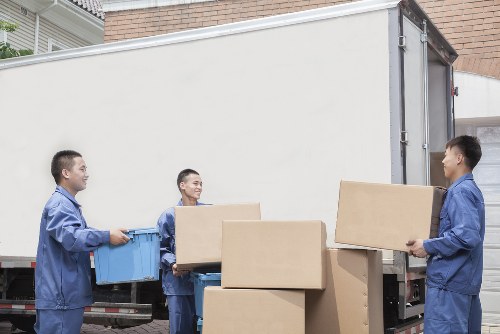 By following this health and safety policy for movers, the team supports a safer workplace, better service standards, and greater confidence for everyone involved in the moving process. Safety is not an extra step; it is part of every task, from the first assessment to the final delivery.